
Step-by-Step Guide to Removing Stains from Carpets in Long Beach, CA
- 3 days ago
- 5 min read
Carpet stains are a common issue for homeowners and businesses, especially in busy coastal cities like Long Beach where indoor-outdoor traffic is frequent. Spilled drinks, pet accidents, dirt, and grease can quickly penetrate carpet fibers if not addressed promptly. Professional cleaning specialists such as All Points Cleaning and Restoration often recommend identifying the stain type early and using proper cleaning techniques to prevent permanent damage or discoloration.
Key Takeaways
Acting quickly after a spill increases the chances of fully removing stains.
Different stains require different cleaning approaches.
Blotting instead of scrubbing protects carpet fibers.
Routine maintenance helps prevent deep carpet contamination.
Professional cleaning services may be necessary for persistent stains.
Carpets function like filters, trapping dust, allergens, and debris brought indoors from outside environments. According to indoor air quality research, carpets can hold up to four times their weight in dirt and contaminants before they appear visibly dirty. This is particularly relevant in Long Beach, where beach sand, coastal moisture, and daily foot traffic contribute to carpet wear.
Learning the correct stain removal process allows homeowners to maintain carpet appearance, extend material lifespan, and protect indoor air quality.
Understanding Why Carpet Stains Occur
Carpet fibers absorb liquids quickly, which allows stains to spread below the surface if they are not addressed immediately. Materials such as coffee, wine, grease, and food dyes contain pigments that bond with fabric fibers.
Environmental factors also contribute to staining. Homes near coastal areas may experience higher humidity levels, which can cause moisture to linger inside carpet padding. This environment allows dirt particles and organic materials to settle deeper within fibers.
Additionally, high-traffic areas such as entryways and living rooms accumulate soil faster than other parts of the home. Over time, repeated exposure to dirt and spills can lead to discoloration or permanent stains if not cleaned correctly.
Step 1: Identify the Type of Stain
Before beginning any cleaning process, identifying the stain type is important. Different substances react differently to cleaning solutions.
Organic stains such as coffee, juice, or wine require different treatment than oil-based stains like grease or makeup. Some cleaning products designed for one stain type may actually set another stain deeper into the carpet.
Common Types of Carpet Stains
Beverage stains such as coffee, tea, or wine
Food spills including sauces and oils
Pet accidents or organic residue
Dirt and mud tracked from outdoors
Ink or dye-based stains
Recognizing the source of the stain helps determine the safest and most effective cleaning method.
Step 2: Remove Excess Material Immediately
Once the stain type is identified, removing excess material is the next critical step. Liquid spills should be gently blotted using a clean cloth or absorbent paper towel.
Blotting absorbs moisture without forcing the stain deeper into carpet fibers. Scrubbing should be avoided because it spreads the stain and damages delicate carpet threads.
Industry cleaning data suggests that stains treated within the first five minutes are up to 80% more likely to be removed successfully compared with stains left untreated for extended periods.
Immediate action significantly increases the chance of restoring the carpet to its original condition.
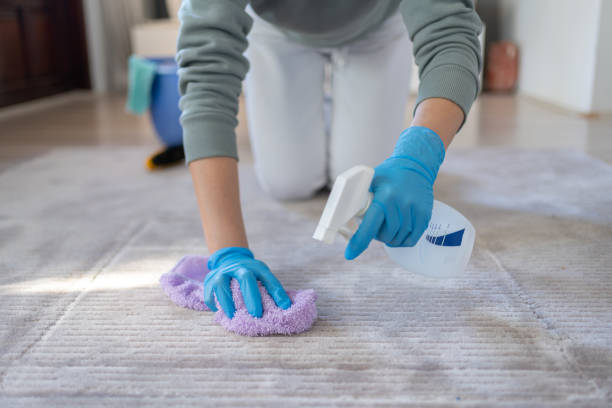
Step 3: Apply the Correct Cleaning Solution
After removing excess liquid or debris, the appropriate cleaning solution can be applied. Mild solutions such as diluted dish soap or vinegar mixtures are often effective for basic household stains.
However, certain stubborn stains require deeper treatment methods. In these situations, homeowners often rely on carpet cleaning long beach services that use advanced equipment such as steam extraction or hot water cleaning systems.
Professional-grade equipment penetrates deep into carpet fibers, removing embedded dirt, allergens, and staining particles that household cleaning tools cannot reach.
Step 4: Rinse and Extract Residue
Cleaning solutions must be thoroughly rinsed to prevent residue buildup inside carpet fibers. Residue left behind can attract additional dirt, causing the same area to become dirty again quickly.
Warm water rinsing followed by moisture extraction helps remove both the cleaning solution and loosened debris. Extraction equipment pulls water and contaminants from deep within the carpet layers.
Proper Rinsing and Extraction Methods
Use clean water to rinse treated areas
Blot moisture with absorbent cloths
Avoid over-saturating the carpet fibers
Use fans or ventilation to speed drying
Repeat extraction if residue remains
Proper rinsing ensures that carpets remain clean without leaving sticky residue that attracts dirt.
Step 5: Allow the Carpet to Dry Completely
Drying plays a crucial role in stain removal and carpet maintenance. If moisture remains trapped within carpet padding, it can lead to mold growth or lingering odors.
In humid coastal climates like Long Beach, proper ventilation is especially important. Opening windows, using ceiling fans, or placing portable fans near the cleaned area can help accelerate drying.
Effective Carpet Drying Techniques
Increase air circulation using fans
Open windows when weather conditions allow
Avoid walking on damp carpet areas
Use dry towels to absorb remaining moisture
Allow several hours for full drying
Allowing the carpet to dry completely helps prevent odor formation and protects the integrity of the carpet backing.
Comparing Common Carpet Stains and Cleaning Methods
The following table outlines several typical carpet stains and the recommended treatment methods.
Stain Type | Cause | Recommended Cleaning Method |
Coffee or tea | Beverage spill | Mild detergent and warm water |
Wine or juice | Pigmented liquid | Vinegar-based cleaning solution |
Grease or oil | Food residue | Absorbent powder followed by cleaning |
Pet stains | Organic material | Enzyme-based cleaner |
Mud or soil | Outdoor debris | Dry removal followed by gentle cleaning |
Understanding the correct treatment for each stain type helps prevent accidental damage to carpet fibers.
Factors to Consider Before Attempting Stain Removal
Before attempting deep carpet cleaning, homeowners should evaluate several important factors. Carpet material plays a significant role in determining which cleaning method is safe.
For example, natural fibers such as wool require gentler cleaning products than synthetic carpets. Using harsh chemicals on delicate fibers can cause fading or permanent damage.
Another consideration is stain age. Fresh stains are significantly easier to remove than stains that have been embedded for weeks or months. Older stains may require professional cleaning equipment to break down the contaminants trapped within carpet padding.
Homeowners should also consider overall carpet condition. If carpets show widespread staining or heavy soil buildup, professional cleaning may provide better long-term results.
Frequently Asked Questions
How quickly should carpet stains be treated?
Carpet stains should be treated as soon as possible. Immediate cleaning prevents liquids from penetrating deep into the fibers and padding. The sooner the stain is addressed, the higher the chance of complete removal.
Can household cleaners damage carpets?
Some strong chemical cleaners may damage carpet fibers or cause discoloration. Products containing bleach or high acidity can weaken materials and create permanent marks. It is generally safer to use mild cleaning solutions designed for carpets.
Why do some stains reappear after cleaning?
Stains may reappear if residue remains in the carpet padding. As moisture evaporates, contaminants trapped beneath the surface can rise back to the top. Proper rinsing and extraction help prevent this issue.
How often should carpets be professionally cleaned?
Most cleaning professionals recommend deep carpet cleaning every 12 to 18 months. Homes with pets, children, or heavy foot traffic may benefit from more frequent cleaning to maintain hygiene and appearance.
Are steam cleaning methods safe for all carpets?
Steam cleaning is safe for many carpet types, but delicate materials may require alternative methods. Professional cleaners typically inspect the carpet before selecting the most appropriate cleaning technique.
Conclusion
Carpet stains are a common household challenge, but they can often be removed successfully when addressed promptly and correctly. Understanding stain types, applying proper cleaning methods, and ensuring thorough drying all contribute to effective carpet care. Regular maintenance and early treatment prevent stains from becoming permanent and help extend the lifespan of carpeting. By following these steps, homeowners can maintain cleaner, healthier indoor environments and protect their investment in flooring materials.
Professional Carpet Cleaning Support
Persistent stains and deep carpet contamination sometimes require professional attention. Experienced cleaning specialists can identify stain sources, apply advanced cleaning techniques, and restore carpets safely without damaging delicate fibers. Professional equipment removes embedded dirt, allergens, and moisture that standard household tools cannot reach. Homeowners seeking reliable carpet cleaning solutions can benefit from consulting trained professionals who understand effective stain removal and long-term carpet maintenance strategies.


